If you feel you or your family could be helped by talking through a mental health issue, or you feel that psychotherapeutic input might be right for you, then please do get in touch.
Our clinicians are available to talk through your concerns over the phone and can advise as to whether therapeutic help might be beneficial. We offer appointments throughout the day and run evening clinics throughout the week, including Saturdays. We are also able to offer sessions via Zoom where we feel this is clinically appropriate.
Prefer to phone us first? Call us on 0131 5579894
Your details
Therapy Types
Parent–Infant Psychotherapy
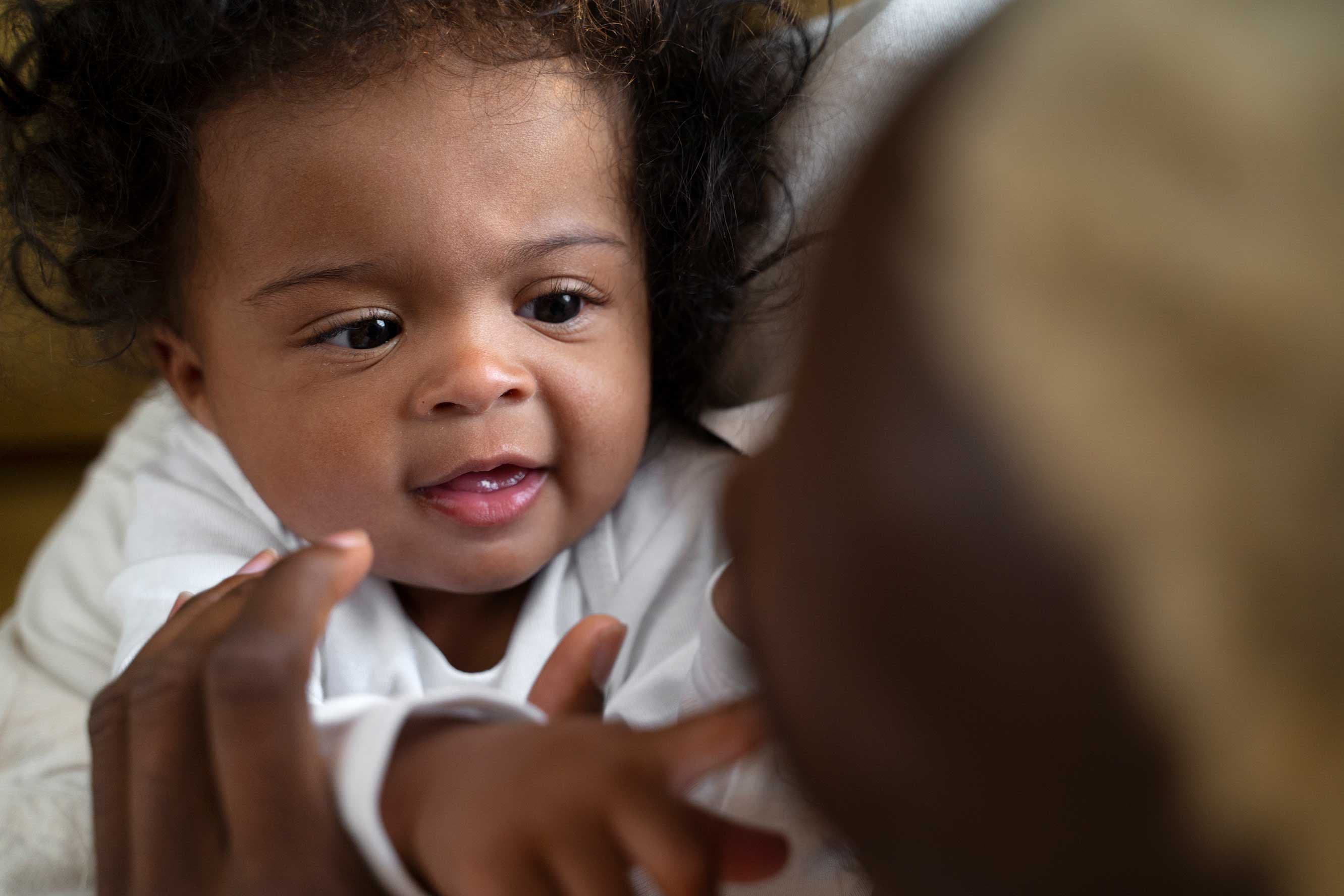
Parent–Infant Psychotherapy focuses on the emotional relationship between a parent and their baby or very young child.
It supports parents and infants to understand and respond to each other’s emotional communications, particularly where early relationships have been affected by stress, trauma, loss, or mental health difficulties. The work is relational, developmentally informed, and centred on strengthening early attachment.
What to Expect
Sessions usually involve the parent and infant together, with close attention paid to their interactions, emotional responses, and patterns of relating. The therapist helps slow down moments of difficulty and brings curiosity to how feelings are experienced by both parent and baby. Conversations may include the parent’s own early experiences, current stresses, and expectations, especially where these influence the relationship with the infant. Therapy is gentle and paced, with the infant’s needs kept firmly in mind. The aim is not to judge or instruct, but to support parents in developing greater emotional understanding, confidence, and attunement in their relationship with their child.
Evidence Base & Suitability
Parent–Infant Psychotherapy has evidence supporting its effectiveness in strengthening attachment security and improving emotional regulation in infants and young children, particularly where there has been parental mental health difficulty, trauma, or early relational disruption. Research suggests benefits for both child outcomes and parental reflective functioning. This approach is especially suitable during the first years of life, when emotional and relational patterns are rapidly developing. It may be less appropriate where the primary need is for practical parenting strategies alone, without attention to emotional and relational processes.
“Parent–infant work is about helping parents and babies understand each other emotionally. Small shifts in how a baby feels seen and responded to can have a powerful impact on early development and the sense of safety in the relationship.”