If you feel you or your family could be helped by talking through a mental health issue, or you feel that psychotherapeutic input might be right for you, then please do get in touch.
Our clinicians are available to talk through your concerns over the phone and can advise as to whether therapeutic help might be beneficial. We offer appointments throughout the day and run evening clinics throughout the week, including Saturdays. We are also able to offer sessions via Zoom where we feel this is clinically appropriate.
Prefer to phone us first? Call us on 0131 5579894
Your details
Therapy Types
Art Therapy
Art Therapy is a form of psychological therapy that uses creative processes to support emotional expression, understanding, and change.
The creative and playful interaction with the art form, alongside the therapist, allows a safe space where thoughts and feelings can be communicated visually, symbolically and verbally and opens up new ways of connecting with others. Art Psychotherapy can be particularly helpful for children, young people, and adults who find it difficult to put their feelings into words. No previous experience or artistic skill is required. The focus is on the process of making and finding shared meaning rather than producing finished artwork. Art Psychotherapy is delivered by HCPCregistered Art Psychotherapists, practising in line with professional, ethical, and safeguarding standards in the UK.
What to Expect
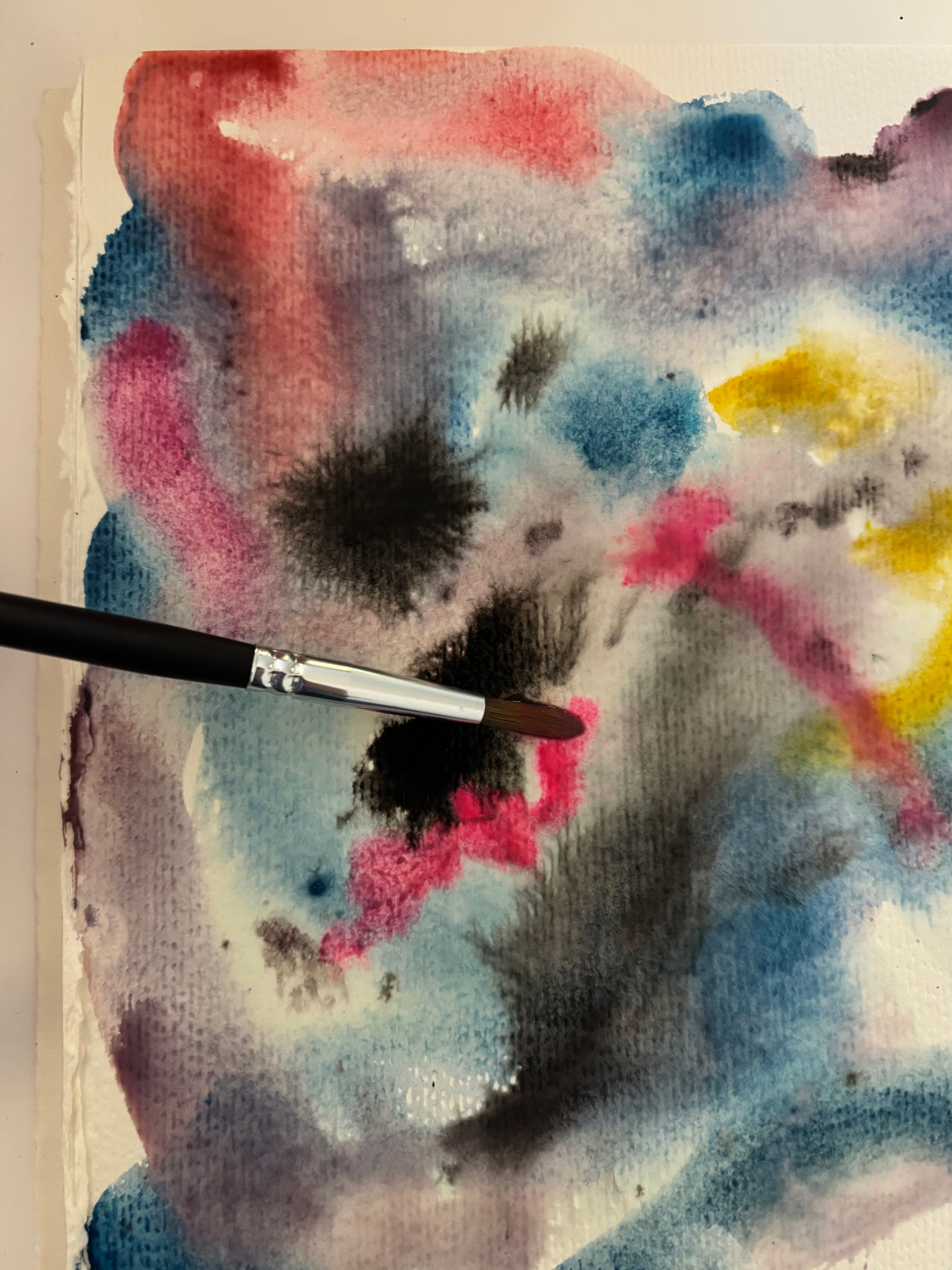
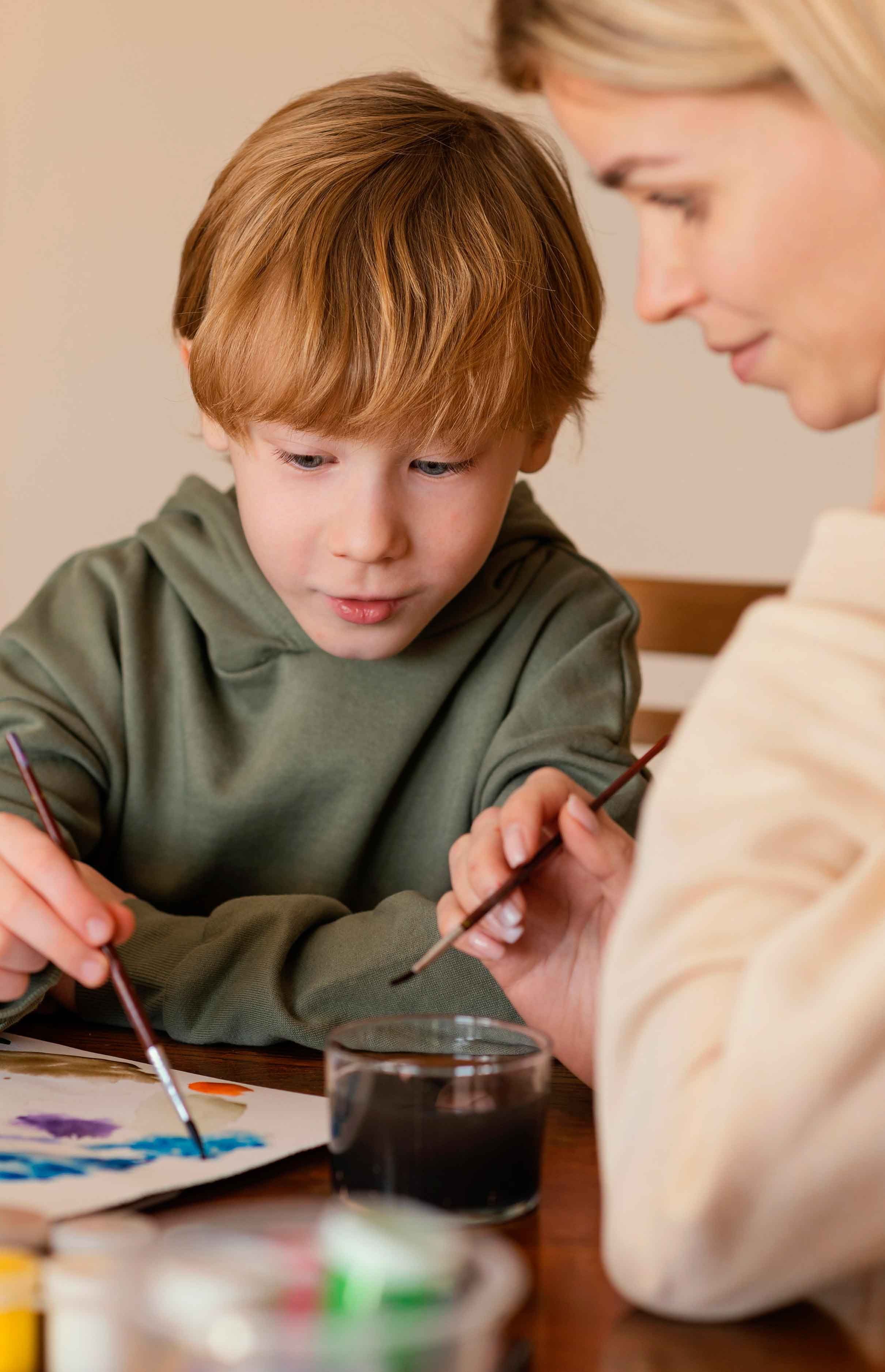
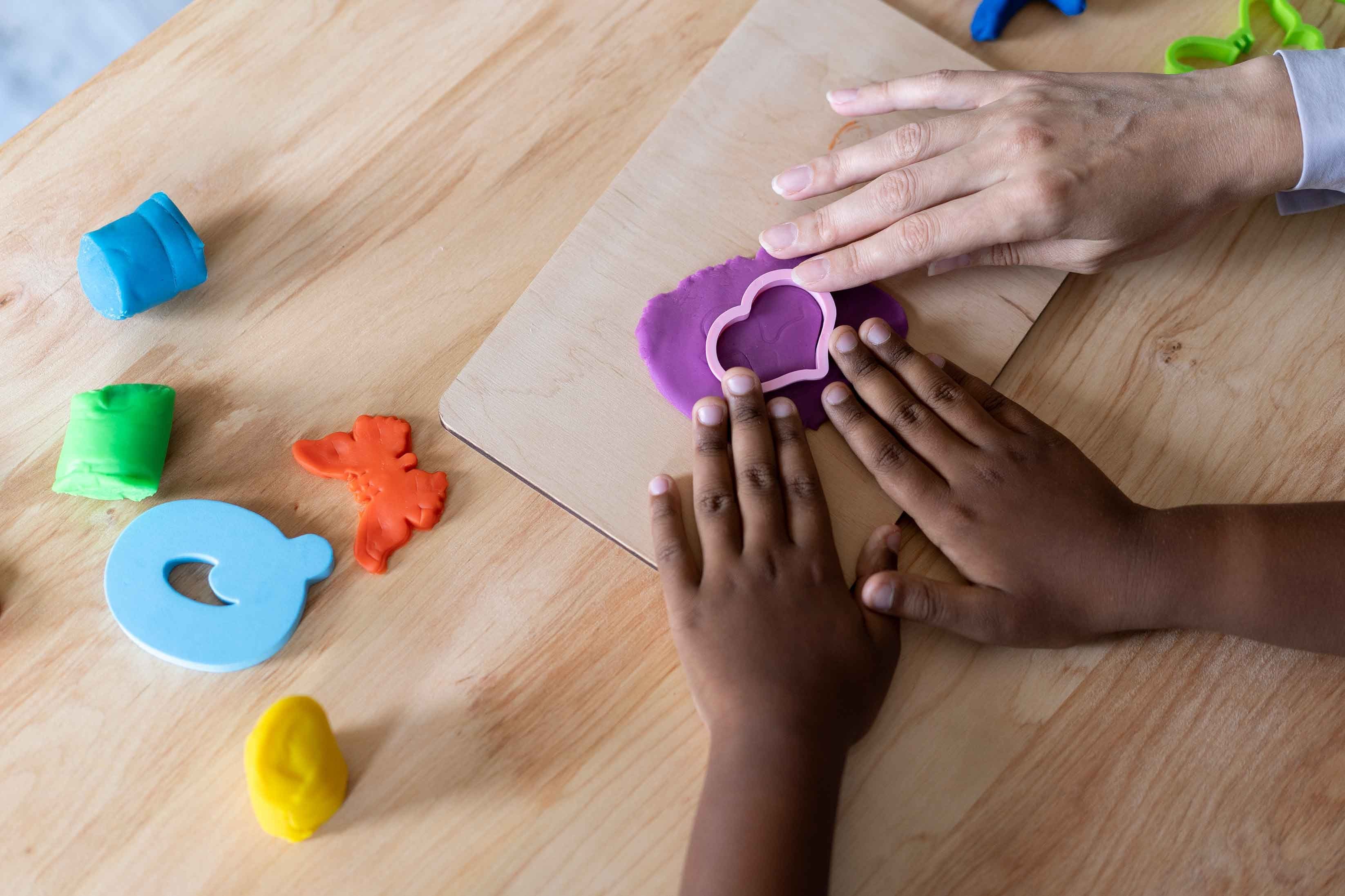
Art Psychotherapy sessions offer access to a wide range of art materials within a supportive therapeutic relationship. Clients may use drawing, painting, sculpture, or mixed media to explore feelings, experiences, and relationships in ways that don’t rely solely on words. The art psychotherapist and client will reflect together on the images created and the process of making them. This collaborative exploration supports new ways of understanding oneself and relating to others, promotes emotional regulation, insight and strengthens wellbeing, resilience and emotional integration. Some sessions may involve minimal talking, while others combine art making with reflective conversation. Art Psychotherapy may be structured or non-directive, depending on the client’s needs and goals. The emphasis is on relationship, safety, curiosity, and creating space for difficult experiences to be expressed symbolically and non-verbally at the client’s own pace.
Evidence Base & Suitability
Art Psychotherapy has evidence supporting its use with children and adults experiencing trauma, anxiety, emotional distress, neurodevelopmental differences, interpersonal difficulties and difficulties with emotional regulation. It is recognised as a therapeutic intervention to support emotional processing, self-esteem, and relational engagement. It is well suited to children, adolescents, and adults who benefit from experiential relational approaches. Research suggests it can be particularly effective where verbal therapies feel overwhelming or inaccessible, and where experiences are held in bodily or sensory forms. The literature highlights high acceptability among young people and positive outcomes in both individual and group settings. It may be less appropriate where a highly verbal, structured, or protocol-driven therapy is specifically required.
“Art therapy allows feelings to be expressed in ways that don’t rely solely on words. Often, images can hold experiences that feel too complex or intense to talk about directly. The therapy offers time and space to explore these safely and at your own pace.”